
Access control to internet platforms and services has been a major concern in this day and age, where changes in the digital world are happening at breakneck speed. Small businesses are at a point where the deployment of digital ID solutions is no longer just an option, but a necessity if they are to ensure the security of confidential data, comply with privacy standards, and gain the confidence of customers. The present article serves as a deep dive into the topic of digital identity solutions and acts as a doable guide for small businesses which are lost in the maze of authentication and want to be certain that access to online resources is secure.
Understanding Digital Identity Solutions
Digital identity is the online representation of a person, business, or other entity, which includes identifiable data, the means of authentication, and the permissions. As cyber threats become more sophisticated, digital identity solutions remain indispensable in the prevention of unauthorized access, facilitation of secure transactions, and gaining the trust of customers. The digital identity solution market has expanded considerably over the last few years, which is a direct consequence of the increased number of cyberattacks and online fraud. The growth of the market is also paced by the improvements in biometric authentication, multi-factor authentication (MFA), and identity management tech.
Small businesses usually neglect the necessity of strong digital identity solutions. Small businesses are however, the most attractive victims of cyber-attacks as their security measures are less sophisticated, while the number of cyber-attacks and cases of identity theft have increased. In a very significant way, 80% of data breaches are associated with the compromise of credentials, which sheds light on the pressing need for security to be strengthened.
The Key Components of Digital Identity Solutions
Small businesses must know the core parts of digital identity solutions if they want to put access control measures that are effective. Usually, these measures imply:
- Authentication Methods: The stage when the identity of a user or an entity that wants to access a system is confirmed. The authentication can be done with different methods, such as:
- Passwords and PINs: These are the easiest and the most widely used methods of authentication; nevertheless, they are progressively becoming more vulnerable to hacking.
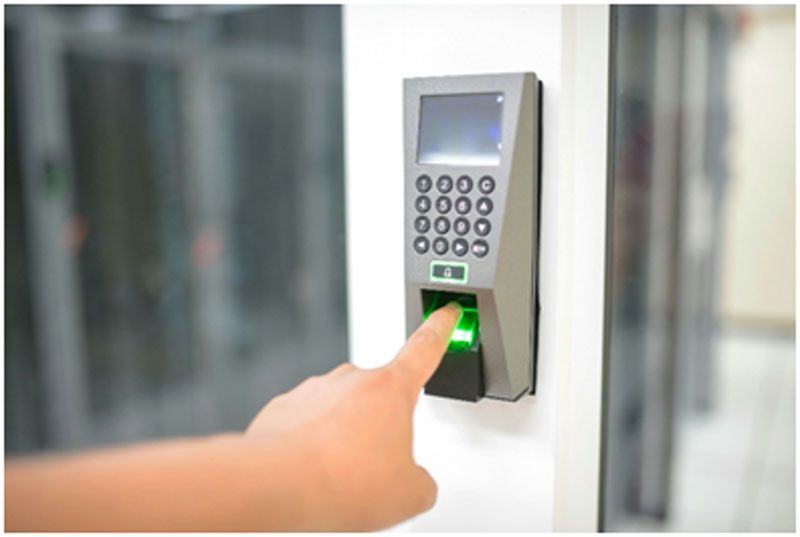
- Biometric Authentication: Includes fingerprint, facial recognition and retina scanning that provides a higher degree of security.
- Multi-Factor Authentication (MFA): An individual can prove who he/she is using more than one method. For instance, a password and a code sent to a mobile device may be combined for use.
- Authorization: Authorization decides the allowed operations of a user after authentication. For instance, a company worker having access to confidential data may be given more rights than a regular visitor to the company’s site.
- Identity Management: It is about the methods and implementations that deal with the establishment, upkeep, and removal of digital identities. Proper identity management is a necessity for small businesses to prevent the occurrence of unauthorized access and to reduce the possibility of fraud.
Why Digital Identity Solutions Matter for Small Businesses
Small businesses tend to overlook the significance of strong digital identity solutions. Nevertheless, with the escalation of cyber-attacks and identity theft, they are becoming a preferred target as a result of their less sophisticated security measures.
Implementing a secure digital identity solution can:
- Protect Sensitive Data: Solid access methods will prevent unauthorized users from getting access to business-critical information, financial data, as well as the personal details of customers.
- Enhance Customer Trust: Since data breaches are becoming more frequent, customers are waiting for companies that show they have good security practices. Digital identity solutions can do that by protecting the customer’s personal and payment information.
- Reduce Risk of Fraud: Digital identity schemes are equipped with functionalities that can spot and stop fraudulent actions, like illegal access to accounts and financial fraud.
Selecting the Right Digital Identity Solution for Your Small Business
Choosing a digital identity solution that fits a small business is a decision influenced by different factors. Mainly, these factors are business type, available funds, and security needs of the business. Below there are some considerations to help:
- Scalability: Your identity management requirements will become more complex as your business expands. The solutions should be of such a type that can scale with your business and be able to handle users and data of large volumes.
- Cost-Effectiveness: The small companies and businesses that are usually small in size and operate within a particular area have a budget that is limited in security matters. Inexpensive but still quite secure digital identity solutions should be the target that small businesses aim for. A few providers may offer a multi-level pricing structure or plans based on subscriptions that enable businesses to pay only for the resources that they use.
- User Experience: The security of the system is very important, but so is the user experience. Complex and heavy systems may cause users to feel frustrated, and thus, adoption rates will drop. Choose those systems which have user-friendly interfaces and authentication procedures that are simple and clear for users to follow.
- Compliance Requirements: Your business being in a particular industry means that you will have to keep up with certain rules, e.g. GDPR (General Data Protection Regulation) or PCI DSS (Payment Card Industry Data Security Standard), that regulate data security and privacy. Thus, it is necessary to ensure that the compliance standards are set by the selected solution.
- Integration with Existing Systems: The digital identity solution should not resist but work in harmony with the present IT infrastructure of the company, which comprises customer relationship management (CRM) systems, enterprise resource planning (ERP) tools, and other business applications.
Trends Shaping the Future of Digital Identity Solutions
The digital identity solutions marketplace has been highly dynamic and is still experiencing rapid changes, largely because of new technologies and a regulatory environment that is adjusting to them. What small companies should be aware of is the effect of some of these factors on their businesses. Those factors are:
- Artificial Intelligence (AI) and Machine Learning: AI is being progressively used in identity verification systems to recognize abnormal activity, figure out fraud patterns and enhance the correctness of authentication methods.
- Blockchain Technology: With blockchain, the management of digital identities can be done in a decentralized and secure way which is immune to changes, thus the chances of data breaches and fraud will be very low.
- Decentralized Identity (DID): The DID models allow people to have the authority of their own identities and hence depend less on centralized entities and get better privacy.
According to Pristine Market Insights, with the rise of digital threats, small businesses must place the highest priority on the implementation of secure digital identity solutions if they wish to safeguard their data and customers. There is a whole range of solutions available, which include basic password management and advanced biometric authentication. If a company chooses the right solution, it will be able to improve security, gain customer trust, reduce the chance of fraud and comply with regulations. The digital identity solutions market is projected to grow as a result of a higher demand for safe and efficient authentication. Small businesses must utilize the newest trends to prevent cyber attackers and ensure their security and prosperity in the coming years.